
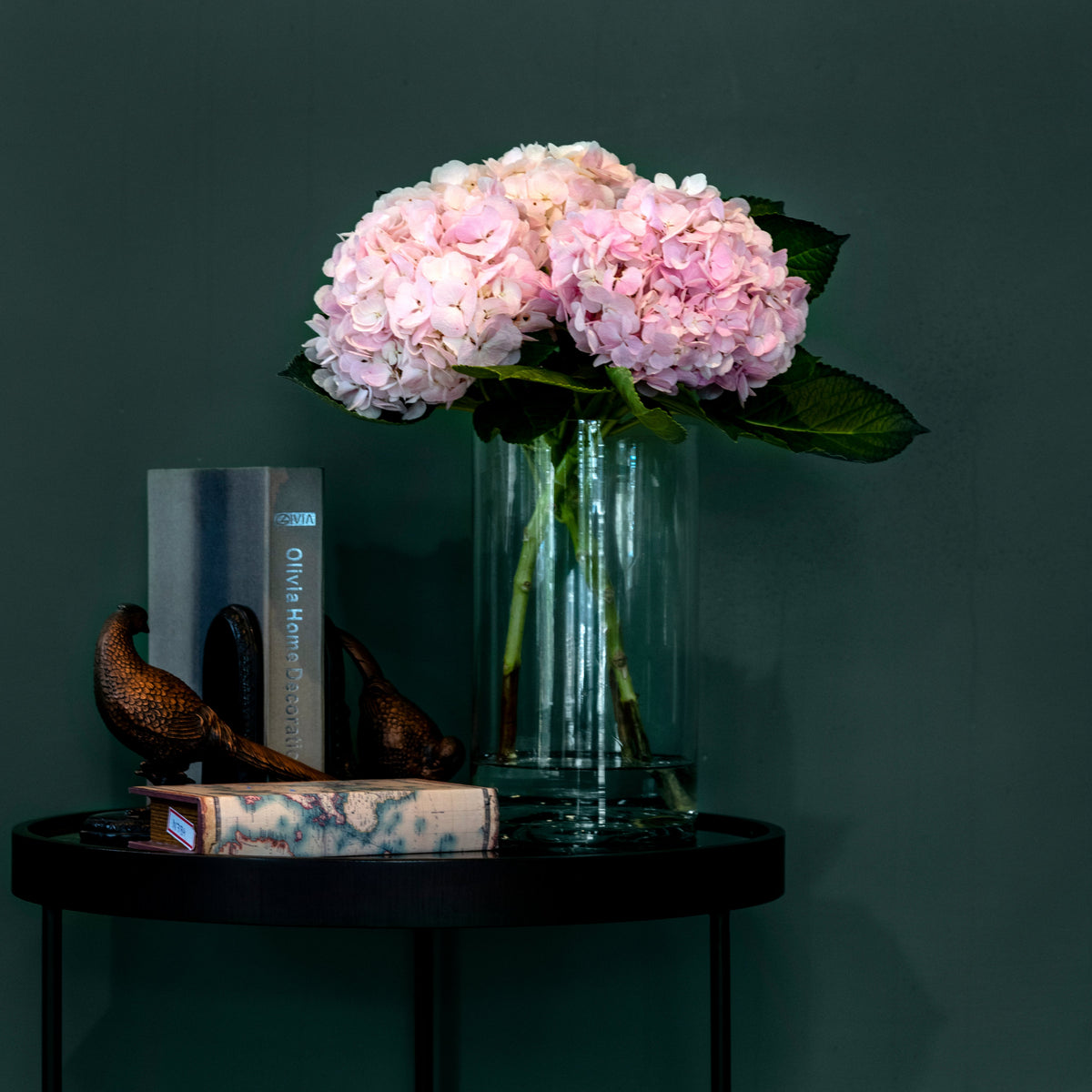
How To Keep Flowers Fresh Longer: A Florist's Guide
A bouquet's lifespan is decided in its first hour. Most flowers that wilt in three days weren't bad flowers, they were flowers that sat wrapped on a kitchen counter for a few hours after arriving, or were dropped straight into a vase with old water and long leaves. The next time you receive a beautiful arrangement, the steps you take in the first sixty minutes matter more than anything you do over the following week.
This guide covers how to keep flowers fresh longer in Indian conditions, where heat, humidity, and monsoon damp can shorten vase life by days. Written by the team at The Flora, a premium flower delivery and subscription brand serving Bangalore and Delhi, this guide pulls together the first-hour ritual, daily habits, a proper fridge protocol, a measured DIY flower food recipe, and the myths worth ignoring.
Table Of Contents
-
How To Keep Flowers Fresh Longer?
-
Why Do Flowers Fade Faster Than They Should?
-
The First Hour: What To Do The Moment Your Bouquet Arrives?
-
Daily Care Habits That Extend Vase Life
-
How To Keep Flowers Fresh Longer In The Fridge?
-
DIY Flower Food: The Three-Ingredient Recipe Florists Use
-
Flower Care Myths Worth Letting Go Of
-
How Long Do Different Flowers Actually Last?
-
Keeping Flowers Fresh In Indian Summers & Monsoons
-
The Flora: Bouquets That Arrive Ready To Last
-
FAQs
-
Conclusion
How To Keep Flowers Fresh Longer?

Six habits cover most of what extends vase life:
-
Start with a clean vase. Bacteria left from the last bouquet is the single biggest reason flowers fade early.
-
Cut 2-3 cm off each stem at a 45-degree angle before the flowers touch water. This opens fresh channels for water uptake.
-
Strip every leaf that would sit below the waterline. Submerged leaves rot within a day and feed bacteria.
-
Change the water every two days and recut the stems mid-week. Cloudy water is already bacterial.
-
Keep the vase in a cool spot away from direct sunlight, fans, AC vents, and the fruit bowl. Ripe fruit releases ethylene gas that accelerates wilting.
-
In peak summer, consider moving the vase into the fridge overnight. Cold temperatures slow a flower's respiration rate significantly.
Everything else in this guide is a longer version of those six points.
Know More About: 10 Best Flowers To Give As A Gift: Say It With Blooms
Why Do Flowers Fade Faster Than They Should?

Once a flower is cut from its root system, it loses access to the water and nutrients the plant normally supplies. What remains is a limited supply of stored energy and an open wound at the base of the stem. How long the bloom holds depends almost entirely on slowing the three things working against it.
The Three Enemies Every Bouquet Faces
The first is bacteria. A cut stem sitting in water is essentially a feeding station for microbes. Within a day or two, bacteria clog the stem's internal channels, blocking water from reaching the petals. Research from the University of Massachusetts Amherst confirms that combining sugar with a mild biocide like bleach works better than either alone, because sugar by itself accelerates bacterial growth.
The second is ethylene. This is a natural plant hormone released by ripening fruits, ageing flowers, and some vegetables. Ethylene triggers petal drop and speeds up wilting. A vase sitting near a bowl of bananas, apples, or mangoes will fade noticeably faster than one placed on the other side of the room.
The third is dehydration. Cut stems seal themselves off over time as dried sap and air bubbles block the xylem. This is why recutting stems every few days matters. A fresh cut reopens the channel and restores water flow.
Why Do Indian Homes Add A Fourth Challenge?
Heat and humidity. In Bangalore, daytime temperatures in April and May regularly cross 33 degrees Celsius. In Delhi, they touch 40 plus in May and June. At those temperatures, bacteria multiply faster, water evaporates from the vase faster, and petals dehydrate faster.
Most global flower care guides are written for 22-degree living rooms in the US or Europe, and that advice needs adjusting for Indian conditions. The rest of this guide accounts for that.
Know More About: What Decides The Colour Of Flowers?
The First Hour: What To Do The Moment Your Bouquet Arrives?

A bouquet that has been in transit has already lost time without water. The longer you leave it wrapped on a kitchen counter, the more the stems seal over, and the less water they will be able to draw once you finally place them in a vase. Three steps, done within an hour of arrival, make a measurable difference.
1. Unwrap, Trim, And Hydrate
Unpack the arrangement immediately. Fill a clean vase with room-temperature water to about two-thirds full. If your flowers came with a sachet of flower food, empty the sachet into the water and stir until it dissolves.
2. Why Does A 45-Degree Stem Cut Matter?
Using sharp scissors or a knife, cut 2 to 3 centimetres off each stem at a 45-degree angle. The angle matters for two reasons. One, it increases the surface area exposed to water, which improves uptake. Two, it prevents the stem from sitting flat against the bottom of the vase, which would block water flow. Avoid crushing the stems with blunt scissors, as a crushed stem cannot absorb water properly.
For roses, some florists recommend cutting underwater because roses can develop air bubbles in the stem that block water from moving up. This is optional for most Indian-grown roses, but worth trying if your roses droop prematurely.
3. Removing Leaves That Sit Below The Waterline
Strip every leaf on the lower third of each stem. Leaves submerged in water will rot within a day, cloud the water, and give bacteria a place to multiply. This is the single most overlooked step. Most fresh bouquets that fade on day three had leaves sitting in the water the whole time.
Know More About: All About Roses
Daily Care Habits That Extend Vase Life

The first hour sets the arrangement up. Daily care is what decides whether the flowers last five days or ten. None of the following is complicated, but it does require returning to the vase every day or two rather than treating it as a one-time setup.
1. Changing The Water Every Two Days
Water should be replaced every two days in a cooler climate and every single day during Indian summer peaks. The simplest test is to look at the water. The moment it starts to look cloudy or smells off, it's already carrying a bacterial load that is shortening your bouquet's life.
When you change the water, rinse the vase briefly to remove the film that forms on the inside. Refill with fresh water and add a new dose of flower food if you have it.
2. Recutting Stems Mid-Week
Every two or three days, take the flowers out of the vase and trim half a centimetre off each stem. Over time, stems seal themselves off and stop drawing water effectively. A fresh cut mid-week restores hydration and noticeably perks up flowers that were starting to droop.
3. Choosing The Right Spot In Your Home
Direct sunlight, heat, and moving air are the three factors that shorten vase life fastest. A bouquet on a sunny windowsill or near a kitchen stove can wilt in half the time of the same bouquet kept in a cool, shaded spot.
Keep your vase away from AC vents, ceiling fans, the top of the fridge, and the fruit bowl. Research cited by MasterClass confirms that even minor ethylene exposure shortens the vase life of sensitive flowers like roses, lilies, and carnations.
Know More About: 6 Most Exquisitely Fragrant Flowers To Buy In India
How To Keep Flowers Fresh Longer In The Fridge?

The fridge is the single most effective flower preservation tool that most Indian homes already own. Cold temperatures dramatically slow the metabolic processes that cause flowers to age, and they suppress bacterial growth in the vase water.
Why Does The Fridge Work?
Cut flowers continue to respire after harvest, consuming stored sugars the way any living organism consumes fuel. Research cited by Reema Florist notes that every 10-degree Fahrenheit drop roughly halves a flower's metabolic rate, which means a bouquet held at 4 degrees Celsius ages significantly slower than one sitting at room temperature.
A Simple Overnight Fridge Protocol
Here's how to do it properly at home:
-
Set the fridge to 4 to 5 degrees Celsius. Temperatures below freezing will damage petals. Above 8 degrees and you lose most of the benefit.
-
Remove all fruit from the fridge first, or place the vase on a shelf well away from it. Apples, bananas, and mangoes release ethylene gas that will shorten the life of the flowers you're trying to preserve.
-
Keep the vase three-quarters filled with clean water. The stems should stay fully submerged overnight.
-
Place the arrangement on a shelf where the top of the bouquet has some clearance. Avoid the crisper drawer, which sits too cold and can cause chilling damage to delicate petals.
-
Leave for 6 to 8 hours, usually overnight. In the morning, return the vase to its normal spot in the room.
Done consistently every night during peak summer, this can add three to five days to the life of a standard bouquet.
When Is The Fridge Not The Answer?
Tropical flowers, including anthuriums, orchids, birds of paradise, and heliconia, can actually blacken or bruise at fridge temperatures. These blooms are built for warm, humid conditions and should stay out at room temperature.
If your fridge is small and regularly packed with vegetables and leftovers, the overnight protocol may not be practical.
In that case, focus on the other habits in this guide, especially keeping the vase in the coolest part of the house, and changing the water daily during summer.
Know More About: Refresh Your Homes This Summer Season With The Flora
DIY Flower Food: The Three-Ingredient Recipe Florists Use
Commercial flower food sachets work because they combine three things: a sugar for energy, an acidifier to help the flower absorb water, and a biocide to suppress bacteria. If you don't have a sachet, you can make an equivalent solution from kitchen ingredients in two minutes.
Sugar, Acid, And A Pinch Of Bleach: Why Each Matters
Sugar replaces the carbohydrates the flower would normally draw from its plant. Without it, buds that would otherwise open fully often fail to do so. Plain white granulated sugar is the right choice. Brown sugar clouds the water because of its molasses content, and artificial sweeteners offer no energy for the flower.
Acid lowers the pH of the vase water. Flowers absorb slightly acidic water more efficiently, and a lower pH also slows bacterial growth. White vinegar and lemon juice both work, with vinegar being the cleaner option as it doesn't cloud the water.
Bleach, in a tiny dose, is the biocide that keeps bacteria in check. Without it, the sugar you added would fuel bacterial growth and cloud the water faster. Use only household bleach, and never mix it with vinegar directly, since the combination releases toxic chlorine fumes.
Always dissolve sugar and vinegar in the water first, then add bleach last. The Old Farmer's Almanac and floricultural research from ASCFG both support this three-ingredient approach as comparable to commercial sachets for the most common cut flowers.
A Measured Recipe You Can Make In Two Minutes
For one litre of lukewarm water, combine:
-
2 tablespoons of plain white sugar
-
2 tablespoons of white vinegar
-
Half a teaspoon of household bleach
Stir until the sugar is fully dissolved. Pour the solution into your clean vase and add the flowers. Replace the solution with a fresh batch every two to three days.
What Not To Use?
Skip honey. Its natural enzymes interfere with the bleach and it introduces additional bacteria. Skip brown sugar for the same reason, plus it discolours the water. Skip aspirin, which tests have repeatedly shown to be ineffective. Stick to plain white sugar, white vinegar, and household bleach.
Know More About: All About The Flora's Potted Plants: Style, Maintenance, & More
Flower Care Myths Worth Letting Go Of

A lot of home flower care advice is folklore passed between generations. Some of it works. Most of it does very little, and some of it is actively counterproductive.
1. Do Copper Pennies And Aspirin Actually Work?
Copper pennies were once believed to act as a natural fungicide. The idea made sense when pennies were mostly copper, but modern coins in most countries, including India, contain very little actual copper, and the copper they do contain is not soluble in water. Live Science cited University of Florida research confirming pennies have no meaningful effect on vase life.
Aspirin has been studied repeatedly. Results are inconsistent. The theory is that aspirin acidifies the water, but the effect is small and unreliable, and overdosing (more than one tablet per litre) can actually burn petal edges. ProFlowers' controlled test of nine popular tricks put aspirin near the bottom of the list. If you have sugar and vinegar in the kitchen, use those instead.
2. Hairspray And The Freezer Trick
Hairspray has no preserving effect on fresh flowers. It can, at best, be used on already-dried flowers to slow petal shedding. Sprayed on live blooms, it simply coats the petals without extending their life.
The freezer is not the fridge. Temperatures below freezing rupture the water inside petal cells, causing bruising that appears once the flowers thaw. Stick to the fridge protocol above.
3. Vodka, Soda, And The Grain Of Truth In Old Wives' Tales
A few drops of vodka can slow ethylene production. This is genuinely true, but the effect is modest, and too much alcohol kills the flower. A few drops of vodka plus a teaspoon of sugar in the vase can work, but it is not meaningfully better than the vinegar-and-sugar recipe above.
Clear lemon-lime soda contains both sugar and citric acid, so adding about a quarter cup to a vase of water with a few drops of bleach does approximate a commercial flower food. It's wasteful compared to making the vinegar-sugar solution, but it is not a myth. It works, just less efficiently.
Know More About: Flowers in Danger
How Long Do Different Flowers Actually Last?

Vase life varies substantially by flower type, even under identical care. Knowing what's realistic helps you decide whether a bouquet is fading prematurely or simply finishing its natural run.
-
Roses, the most common cut flower, usually last 7 to 10 days with proper care. Well-conditioned premium roses can stretch to two weeks.
-
Oriental and Asiatic lilies hold for 8 to 10 days and open gradually across that time. Tulips last 5 to 7 days and continue growing in the vase, bending toward light.
-
Hydrangeas hold for 5 to 7 days but are sensitive to dehydration; a submerged rehydration for 30 minutes can revive a drooping head.
-
Chrysanthemums are the endurance champions, lasting 14 days and sometimes up to four weeks in clean water.
-
Carnations run 14 to 21 days.
- Orchids, once open, often hold for two weeks or longer. Data assembled from The Old Farmer's Almanac and floricultural studies confirms these ranges across most growing conditions.
One practical note. Mixed bouquets will always decline at the rate of the shortest-lived flower. If your bouquet contains tulips alongside chrysanthemums, the tulips will fade first while the chrysanthemums continue for another week. Removing spent stems promptly prevents ethylene release from ageing blooms, shortening the life of the rest.
Know More About: 9 Different Types Of Rose Flowers Found In India
Keeping Flowers Fresh In Indian Summers & Monsoons

Between April and October, flower care in India requires adjustments that most global guides don't address. Heat accelerates bacterial growth, humidity promotes fungal issues, and monsoon dampness creates its own set of problems.
What Changes Between April And October?
In peak summer, change the vase water daily rather than every two days. Recut stems every other day rather than mid-week. If your home regularly sits above 30 degrees Celsius indoors, consider the fridge protocol most nights rather than occasionally.
Ethylene-sensitive flowers like roses and lilies suffer more in heat because ripening fruit in Indian kitchens, especially mangoes in summer, releases significantly more ethylene than apples or pears. Keep your flowers in a different room from the fruit bowl during mango season.
AC Rooms, Fans, And Why Placement Matters More Here?
Air conditioning is a mixed blessing. The cooler ambient temperature helps, but AC also drops indoor humidity sharply, which dehydrates petals faster. A bouquet placed directly in the path of AC airflow can wilt within a day despite the cool temperature. Position vases away from AC vents and ceiling fans. If the room runs consistently dry, a light mist of cool water on the petals in the morning can help, except on roses and peonies, where water droplets can bruise the blooms.
A Monsoon-Specific Tip
During the monsoon, humidity inside the home can exceed 80 percent. While this helps prevent petal dehydration, it also accelerates fungal growth on stems and leaves, particularly on wrapped or packaged bouquets.
Unwrap flowers fully within an hour of delivery, wipe down stems with a dry cloth before placing them in the vase, and check daily for any mould forming where stems meet the waterline. If you spot slime on the stem, trim above it and change the water immediately.
Know More About: 7 Flowers To Keep All The Bugs Away
The Flora: Bouquets That Arrive Ready To Last!

At The Flora, bouquets are conditioned before they leave the workshop so they're ready to settle into your home without losing time to transit. Stems are freshly cut, leaves trimmed, and every order includes a sachet of flower food in the packaging. Same-day delivery across Bangalore and Delhi means the flowers reach you within hours of arrangement, which is the biggest single factor in how long they'll last.
For those who want fresh blooms regularly without the planning, our flower subscription plans deliver seasonal arrangements weekly or monthly, with DIY, Basic, and Premium options to suit different homes. Subscriptions come with free delivery, and you can pause or skip deliveries whenever it suits you.
Our flowers are locally sourced from farms following zero-waste growing practices, and packaging uses mostly recyclable materials. The freshness shows. As one customer, Shreyas Gupta, noted in a Google review, the flower food included with each delivery keeps Flora's bouquets looking vibrant for close to two weeks at home. Explore our premium bouquets and fresh cut flowers collections, or reach us on WhatsApp at +91 96636 99369.
Know More About: 25 Flowers That Symbolize Love & Their Meanings
FAQs
1. How Long Do Cut Flowers Last In A Vase?
Most bouquets look their best for 5 to 14 days, depending on the flower type and care. Roses average 7 to 10 days, tulips 5 to 7, and chrysanthemums up to 14 days or longer. Clean water, a fresh angled cut, and keeping the vase away from heat and fruit are the three factors that decide whether a bouquet falls at the lower or upper end of that range.
2. Does Adding Sugar Make Flowers Last Longer?
Sugar alone does more harm than good. It feeds the flower but also accelerates bacterial growth, which clogs stems within a day. Sugar works only when combined with a mild biocide, like a drop of bleach and an acidifier like vinegar. Without both, you'll cloud the water faster than you extend the flower's life.
3. Is It Okay To Put Flowers In The Fridge Every Night?
Yes, for most flowers, and it will noticeably extend vase life in Indian summers. Keep the fridge at 4 to 5 degrees Celsius, remove fruit from the same shelf, and avoid the crisper drawer, which runs too cold. Tropical flowers like anthuriums and orchids are the exception; they prefer to stay at room temperature.
4. What Is The Best Water Temperature For Cut Flowers?
Room-temperature water works for most flowers. Bulb flowers like tulips and daffodils prefer cool water. Warm water, around 40 degrees Celsius, is useful briefly to revive a wilting bouquet because warm water moves up the stem faster, but transfer the flowers back to room-temperature water once they're hydrated.
5. Do Aspirin And Pennies Actually Keep Flowers Fresh?
Not reliably. Aspirin's acidifying effect is small and inconsistent across studies. Modern pennies contain too little copper to affect the water. Both are weaker than simply using commercial flower food or the sugar-vinegar-bleach recipe above.
6. Why Do My Flowers Wilt So Quickly In Summer?
Heat speeds up everything that shortens vase life. Bacteria multiply faster in warm water, petals dehydrate faster in dry indoor air, and ethylene from ripe fruit has a bigger effect at higher temperatures. During Indian summers, change the water daily, recut stems every other day, and move the vase to the coolest part of the house or into the fridge overnight.
7. Should I Mist My Flowers?
Light misting with cool water can help in dry, AC-conditioned rooms, particularly for hydrangeas and foliage-heavy arrangements. Avoid misting roses, peonies, and other flowers with soft petals, since water droplets can leave spots or cause bruising.
8. How Often Should I Change The Water In My Vase?
Every two days in mild weather, and every day during Indian summer peaks. The simplest rule is to change it the moment the water looks cloudy or smells off. Rinse the vase briefly when refilling to remove bacterial film from the inside.
Conclusion
How long a bouquet lasts is rarely about luck and mostly about the first hour and a handful of daily habits. Trim the stems at an angle, strip the lower leaves, change the water before it turns cloudy, keep the arrangement away from heat and ripening fruit, and consider an overnight stint in the fridge during peak summer. The tools are already in your kitchen: a pair of sharp scissors, a clean vase, plain sugar, white vinegar, a drop of bleach.
When flowers are the start of your day, they deserve the small ritual it takes to keep them fresh. If you'd like a regular rhythm of blooms at home, explore The Flora's weekly subscription plans or browse our seasonal bouquets, handpicked and delivered across Bangalore and Delhi.
Know More About: If Flowers Talked, What Would They Say?


Leave a comment
This site is protected by hCaptcha and the hCaptcha Privacy Policy and Terms of Service apply.